- English
- Español
- Português
- русский
- Français
- 日本語
- Deutsch
- tiếng Việt
- Italiano
- Nederlands
- ภาษาไทย
- Polski
- 한국어
- Svenska
- magyar
- Malay
- বাংলা ভাষার
- Dansk
- Suomi
- हिन्दी
- Pilipino
- Türkçe
- Gaeilge
- العربية
- Indonesia
- Norsk
- تمل
- český
- ελληνικά
- український
- Javanese
- فارسی
- தமிழ்
- తెలుగు
- नेपाली
- Burmese
- български
- ລາວ
- Latine
- Қазақша
- Euskal
- Azərbaycan
- Slovenský jazyk
- Македонски
- Lietuvos
- Eesti Keel
- Română
- Slovenski
- मराठी
- Srpski језик

China LCD Display Global Sourcing Guide: 2026 Carbon-Neutral Mandates and E-Ink Transitions
As the global display market evolves, B2B buyers are facing a pivotal shift. By 2026, new carbon-neutral mandates will redefine how electronic displays are sourced and deployed. This guide explores the transition from traditional displays to sustainable alternatives like the E-ink technology.
Why Source China LCD Displays for Global B2B Applications?
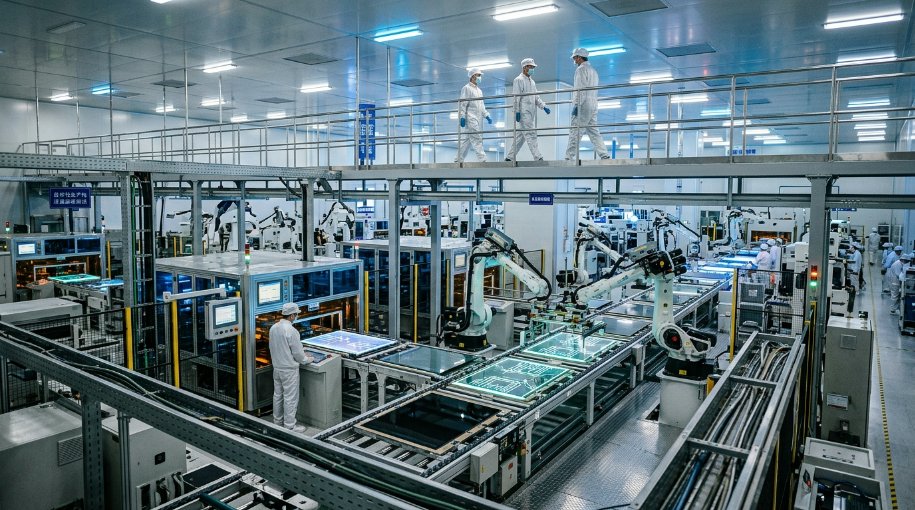
China remains the epicenter of the global display industry due to its unparalleled supply chain vertical integration. Sourcing a China LCD Display offers B2B clients a strategic advantage in both price and innovation speed.
Overview of China's Supply Chain Dominance and Cost Efficiency
The clustering of glass substrate manufacturers, backlight unit suppliers, and IC design houses in regions like Shenzhen and Guangzhou allows for rapid prototyping and massive economies of scale. This ecosystem ensures that buyers receive high-quality components at costs that are typically 15-30% lower than regional competitors.
Latest Technological Advancements in TFT, IPS, and Ultra-Low-Power LCDs
Recent innovations have pushed the boundaries of TFT and IPS panels, offering higher refresh rates and better color accuracy. However, the most significant trend is the development of ultra-low-power displays designed to meet the rigorous energy efficiency requirements of the upcoming decade.
Navigating 2026 Global Carbon-Neutral Mandates for Electronic Displays
The regulatory landscape for 2026 is becoming clearer. Governments in the EU and North America are introducing strict life-cycle carbon assessments for all electronic imports.
How New Global Eco-Design Regulations Impact LCD Importers
Importers must now account for the energy consumed during both the manufacturing process and the device's operational lifespan. Traditional high-brightness displays are being scrutinized, leading many firms to pivot toward more sustainable alternatives.
Practical Integration Guide: Transitioning from Traditional LCD to Long-Standby E-ink Displays
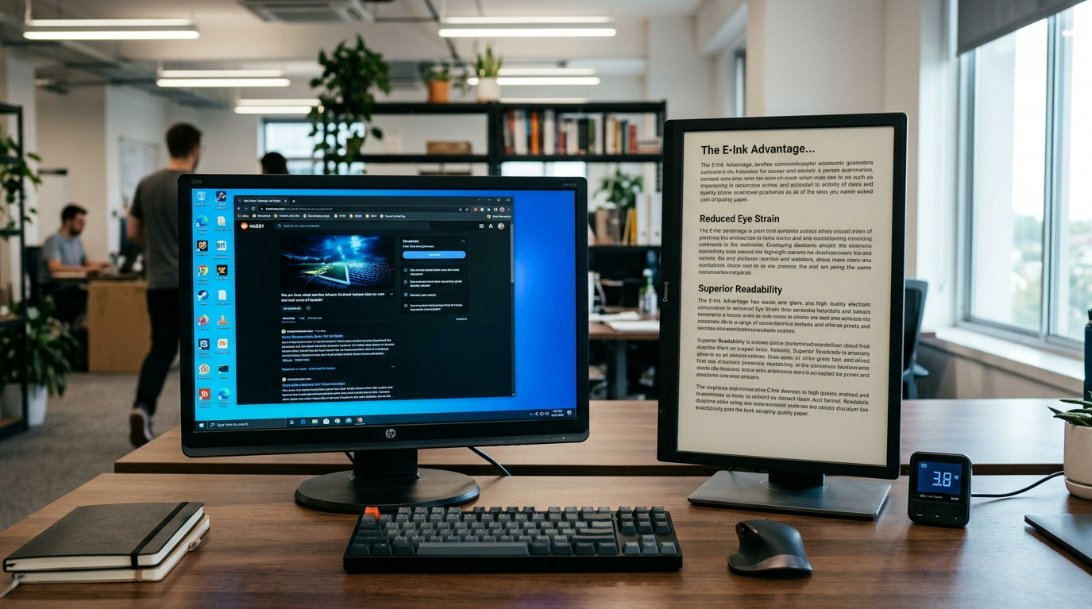
For applications requiring static or semi-static information display, the 6-weeks long-standby 10.3 E-ink Reader is becoming the industry standard. This transition involves evaluating whether high refresh rates are necessary or if the energy-saving benefits of electronic paper provide a better ROI.
Case Studies: Energy Savings in Retail Smart Shelves and Industrial Monitors
In retail environments, switching from small LCD screens to E-ink displays has resulted in an 85% reduction in infrastructure wiring costs and a 90% reduction in annual electricity consumption, significantly lowering the total carbon footprint.
Essential Global Certifications and Local Standards for China LCDs
Ensuring your China LCD Display meets local standards is non-negotiable for market entry.
EU Market: RoHS, REACH, and CE Compliance Requirements
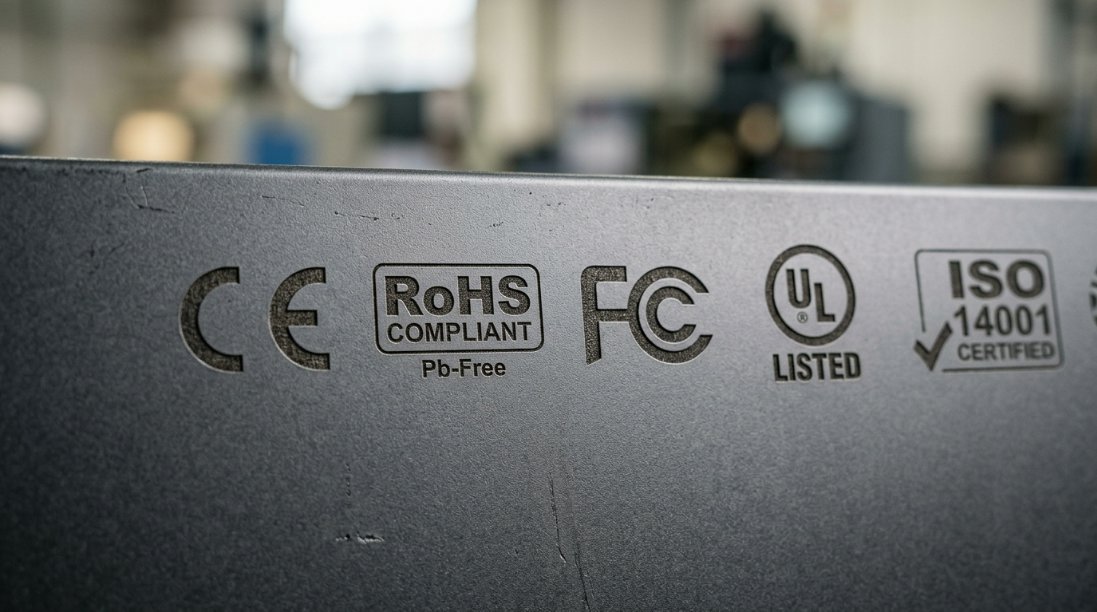
European buyers must ensure all displays are free from hazardous substances (RoHS) and comply with the latest REACH chemical regulations. CE marking is mandatory for safety and electromagnetic compatibility.
North American Market: FCC and UL Safety Standards
For the US and Canadian markets, FCC certification ensures the device does not interfere with radio communications, while UL or ETL certification provides the necessary fire and electrical safety assurance for B2B installations.
Manufacturing Standards: ISO 9001, ISO 14001, and Carbon Verification Certifications
Top-tier manufacturers are now providing third-party verified carbon footprint reports. Look for suppliers holding ISO 14001 (Environmental Management) to ensure they are prepared for the 2026 carbon-neutral mandates.
China LCD Display Data Specs Table: Traditional LCD vs. E-Ink Alternatives
| Feature | Traditional TFT LCD | 10.3 E-ink Reader |
|---|---|---|
| Power Consumption | High (Constant Backlight) | Ultra-Low (Bistable) |
| Readability | Backlit (Indoor optimized) | Reflective (Paper-like) |
| Standby Time | Hours to Days | Up to 6 Weeks |
| Carbon Footprint | Moderate to High | Extremely Low |
Comparing Resolution, Refresh Rates, and Operating Temperatures
While LCDs win on refresh rates for video, the 10.3 E-ink Reader offers 227 DPI or higher, providing crisp text that is superior for long-form reading and technical documentation.
Power Consumption and Carbon Footprint Metrics Comparison
E-ink displays only consume power when the image changes. This characteristic allows devices to operate for over a month on a single charge, dramatically reducing the Scope 3 emissions for corporate users.
Comprehensive B2B FAQ: Global Sourcing and Green Integration
What are the lead times for custom ultra-low-power displays shipped globally?
Standard lead times for mass production typically range from 4 to 8 weeks, depending on the level of customization for the controller board and casing.
How do China manufacturers ensure compliance with 2026 carbon mandates?
Leading factories are investing in solar-powered production lines and implementing circular economy practices, such as recycled plastic housings and lead-free soldering.
What are the hardware and software challenges when replacing LCDs with E-ink technology?
The primary challenge is the screen refresh latency. Software must be optimized to handle partial updates to ensure a smooth user experience when navigating menus or entering data.