- English
- Español
- Português
- русский
- Français
- 日本語
- Deutsch
- tiếng Việt
- Italiano
- Nederlands
- ภาษาไทย
- Polski
- 한국어
- Svenska
- magyar
- Malay
- বাংলা ভাষার
- Dansk
- Suomi
- हिन्दी
- Pilipino
- Türkçe
- Gaeilge
- العربية
- Indonesia
- Norsk
- تمل
- český
- ελληνικά
- український
- Javanese
- فارسی
- தமிழ்
- తెలుగు
- नेपाली
- Burmese
- български
- ລາວ
- Latine
- Қазақша
- Euskal
- Azərbaycan
- Slovenský jazyk
- Македонски
- Lietuvos
- Eesti Keel
- Română
- Slovenski
- मराठी
- Srpski језик

Ultimate Guide to Commercial LCD Displays in the US Market
As the visual landscape of American commerce evolves, businesses from New York to Los Angeles are seeking more immersive ways to engage their audience. The transition from standard monitors to high-performance, large-scale visual solutions is no longer a luxury but a strategic necessity for brand dominance.
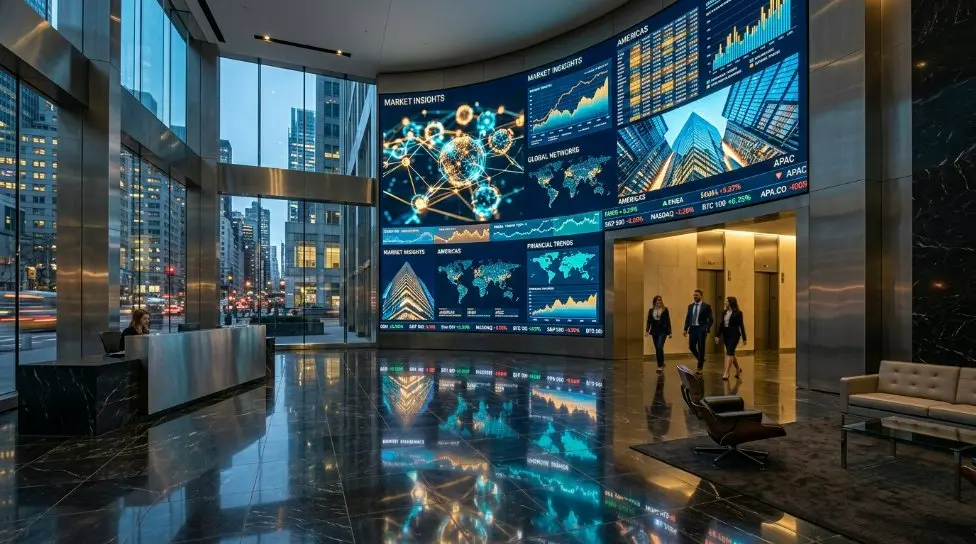
What is a Commercial LCD Display?
A commercial LCD display is a professional-grade screen designed for 24/7 operation in public or corporate environments. Unlike consumer televisions, these units feature higher brightness levels, industrial-grade cooling systems, and specialized hardware to prevent image retention. For those looking for the pinnacle of display technology, the Zero Bezel LCD Video Wall offers a modular approach to creating massive, uninterrupted digital canvases that serve as the focal point of command centers, retail hubs, and corporate headquarters.
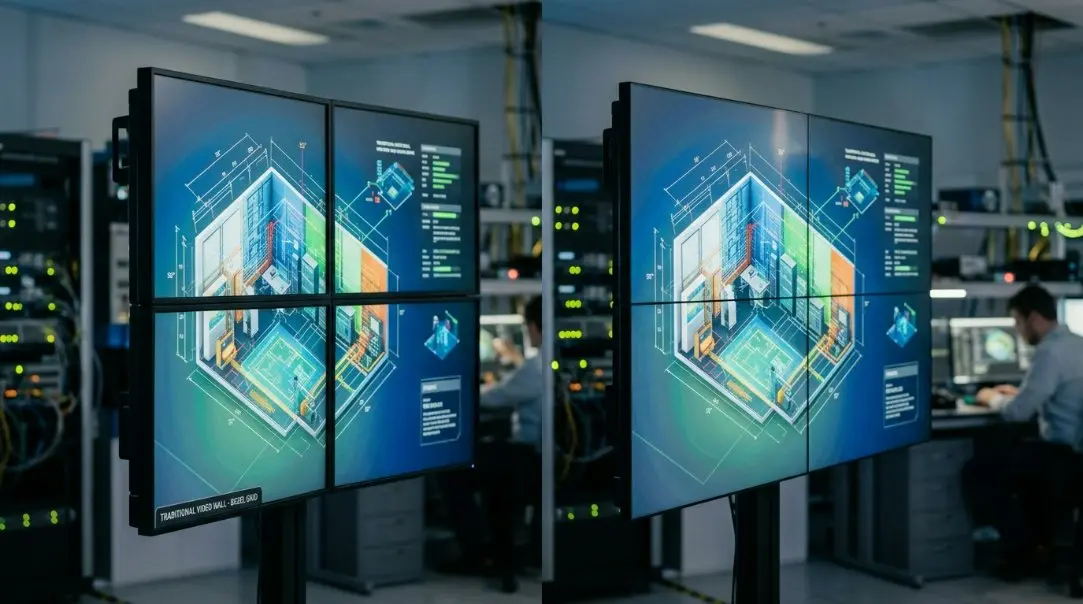
Bridging the AV Technology Gap: Smart LCD Solutions
Modern AV systems in the United States are shifting toward intelligent, software-defined environments. It is no longer just about the hardware; it is about how the display interacts with the ecosystem around it.
Step-by-Step AI-Integration Guides for Modern AV Systems
Integrating AI into your display network allows for real-time content optimization and predictive maintenance. US enterprises are increasingly using AI to analyze viewer demographics in retail settings, automatically adjusting the content on their high-performance LCD displays to match the audience. To implement this, start by ensuring your display controllers are compatible with OpenVINO or NVIDIA AI workflows, then deploy edge computing sensors to feed data directly into your CMS.
Comprehensive ROI Calculator for US Enterprise Displays
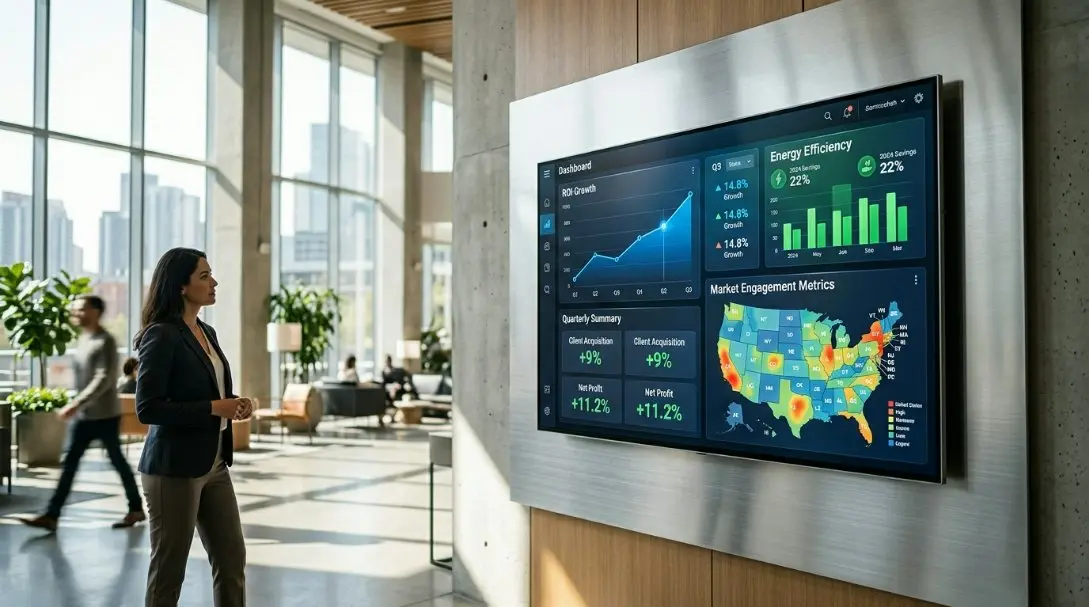
When calculating the Return on Investment (ROI) for a US-based project, factors include energy efficiency, reduced maintenance costs, and increased customer engagement. While the initial capital expenditure for a premium video wall is higher, the long-term value generated through advertising revenue and brand prestige often results in a full ROI within 18 to 24 months for high-traffic environments.
US Local Certifications and Regulatory Standards
Compliance is a critical pillar for any US federal or state-level procurement process. Navigating the legal landscape ensures not only safety but also long-term operational legality.
Navigating the 2026 US Energy Compliance Mandates
New regulations regarding energy consumption are set to take effect by 2026. Commercial displays must now adhere to stricter Energy Star ratings. Modern Zero Bezel systems are being engineered with high-efficiency LED backlighting and smart power management to meet these upcoming California Title 20 and federal standards.
Crucial Safety Standards: UL, FCC, and TAA Compliance
For installations in public spaces, UL (Underwriters Laboratories) certification is non-negotiable for fire safety. Additionally, FCC Part 15 compliance ensures that your video wall does not interfere with other wireless communications. For government contracts, TAA (Trade Agreements Act) compliance is often required, ensuring the products meet specific country-of-origin requirements.
LCD Display Technical Specifications and Data Specs Table
Understanding the technical nuances is essential for making an informed purchase. US buyers typically prioritize clarity and durability.
Analyzing Brightness, Refresh Rates, and Contrast Ratios
In high-ambient light environments like American airports or storefronts, a brightness level of at least 500-700 nits is required. Refresh rates of 60Hz or higher are standard for smooth video playback, while high contrast ratios (4000:1 or better) ensure that black levels remain deep, providing a seamless visual experience across the entire video wall.
The Value of US-Based After-Sales Support and Warranty
Local support is the backbone of a successful AV deployment. Purchasing from brands that offer domestic technical assistance reduces the risk of prolonged outages.
Minimizing System Downtime with Local Technical Assistance
System downtime can cost US businesses thousands of dollars per hour in lost advertising or operational efficiency. Choosing a partner with a US-based warehouse for spare parts and on-site technician support ensures that any hardware issues are resolved within 24-48 hours, maintaining the integrity of your visual communication strategy.